 By admin
 [ad_1]
Do These Things To Reduce Your Risk Of Developing IBD By 61%
 Photo by Dan Gold on Unsplash
Imagine waking up with debilitating abdominal pain, rushing to the bathroom multiple times a day, seeing blood in your stool, and feeling exhausted no matter how much you rest. For the 6.8 million people worldwide living with inflammatory bowel disease (IBD), this isn’t a nightmare—it’s daily reality.
IBD is a term used to describe two gut conditions characterized by chronic inflammation and damage to the GI tract: Crohn’s disease (which can affect any part of the digestive tract but typically targets the small intestine) and ulcerative colitis (which normally occurs in the large intestine and rectum).
But here’s the empowering news: A groundbreaking study involving more than 200,000 adults shows that healthy lifestyle factors could prevent about 61% of Crohn’s disease cases and about 42% of ulcerative colitis cases.
Yes, you read that correctly—61%. Not 6%. Not 16%. Sixty-one percent.
When it comes to preventing autoimmune disease, it’s normal to wonder how much is really under your control. This research finally gives us concrete answers about exactly how lifestyle tweaks can reduce your risk of developing IBD. Let’s break down what actually works.
Understanding IBD: More Than Just “Stomach Problems”
Before we dive into prevention strategies, let’s clarify what we’re dealing with.
What Is Inflammatory Bowel Disease?
IBD is characterized by chronic inflammation and damage to the GI tract, causing:
- Persistent diarrhea (sometimes bloody)
- Severe abdominal pain and cramping
- Rectal bleeding
- Unintentional weight loss
- Extreme fatigue
- Reduced appetite
- Fever during flares

The Two Main Types
Crohn’s Disease:
- Can affect any part of the GI tract from mouth to anus
- Most commonly affects the small intestine and beginning of the colon
- Inflammation extends through the entire thickness of bowel walls
- Can cause complications like fistulas, abscesses, and strictures
Ulcerative Colitis:
- Affects only the large intestine (colon) and rectum
- Inflammation occurs only in the innermost lining of the colon
- Creates continuous areas of inflammation (versus patchy areas in Crohn’s)
- Increases colon cancer risk if left untreated
IBD vs. IBS: Not the Same Thing
Many people confuse IBD with IBS (Irritable Bowel Syndrome), but they’re completely different:
- IBD = Inflammatory Bowel Disease → Autoimmune condition with visible inflammation and tissue damage
- IBS = Irritable Bowel Syndrome → Functional disorder with symptoms but no visible damage
For more on managing digestive issues, check out our article on 7 ways to prevent and manage IBS.
The Explosive Rise of IBD: A Modern Epidemic
Here’s what’s particularly alarming: The incidence of IBD has been rapidly increasing over the past several decades, especially in parts of the world where it used to be rare.
The Global Shift
Regions experiencing dramatic increases in IBD include:
- China
- South Korea
- Puerto Rico
- Eastern Europe
- Parts of Asia
The emergence of rapid increases in IBD incidence clearly points to the important role that environment plays in disease development. Specifically, the introduction of the Western diet (high in fat and protein, low in fruits and vegetables) has been proposed as a major explanation for this increase.
 Photo by Elena Mozhvilo on Unsplash
Even more telling: Children of immigrants from low-prevalence regions to Western countries have a risk of IBD on par with children of nonimmigrants. This suggests genetics alone don’t explain the surge—environment and lifestyle are massive factors.
The Groundbreaking Study: 61% Prevention Is Possible
The study that revealed the 61% risk reduction included over 200,000 adults in the United States and Europe and looked at comprehensive lifestyle factors.
What Researchers Measured
The study examined:
Dietary Factors: ✓ Fruit intake
✓ Vegetable consumption
✓ Fiber intake
✓ Red meat consumption
Lifestyle Behaviors: ✓ Tobacco use (smoking status)
✓ Body mass index (BMI)
✓ Physical activity levels
✓ NSAID use (nonsteroidal anti-inflammatory drugs)
The Stunning Results
Researchers defined a “healthy lifestyle” based on recommendations from the U.S. Department of Health and Human Services (HHS), U.S. Department of Agriculture (USDA) Dietary Guidelines for Americans, and American Heart Association (AHA) Guidelines for Healthy Living.
Their findings:
- Low modifiable risk scores could prevent almost 43% of Crohn’s disease cases and over 44% of ulcerative colitis cases
- Following a healthy lifestyle could prevent about 61% of Crohn’s disease cases and about 42% of ulcerative colitis cases
- These findings were validated in three external European cohorts
 Photo by Louis Reed on Unsplash
Translation: If you invest in healthy lifestyle factors like eating fruits and vegetables, getting enough fiber, and engaging in regular exercise—and avoid unhealthy ones like having a high BMI and smoking—you could prevent more than half of all IBD cases.
The 7 Evidence-Based Strategies To Reduce IBD Risk
Based on the research, here’s exactly what you need to do:
1. Load Up On Fruits and Vegetables
The Evidence: Diets with increased intake of fruits and vegetables were associated with lower risk of active symptoms with IBD. Patients who regularly consume fruits and vegetables present lower prevalence of disease activation.
Why It Works:
- Fruits and vegetables are rich in fiber, phytochemicals, and antioxidants
- They support beneficial gut bacteria growth
- They reduce systemic inflammation
- They contain prebiotics that feed your microbiome
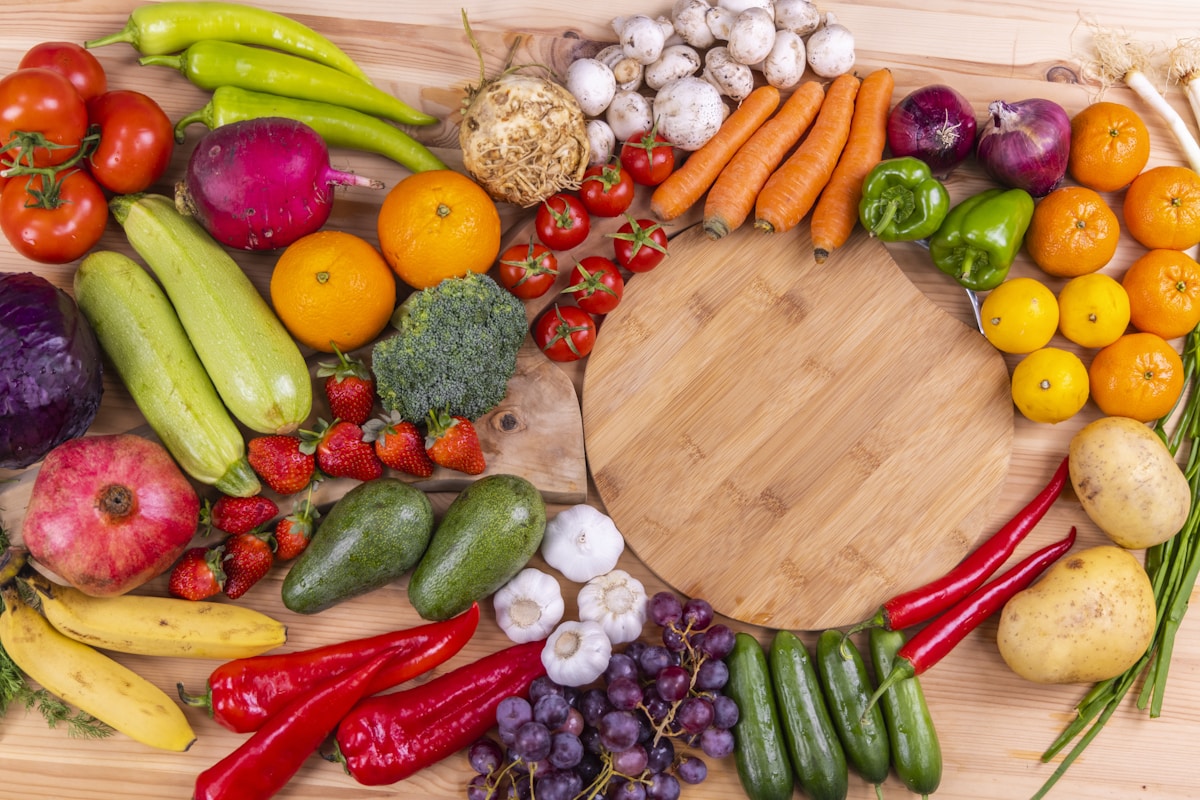 Photo by Nadine Primeau on Unsplash
What To Eat:
Best Vegetables for Gut Health:
- Leafy greens (spinach, kale, Swiss chard)
- Root vegetables (carrots, beets, sweet potatoes)—support probiotic bacteria
- Cruciferous vegetables (broccoli, cauliflower, Brussels sprouts)
- Artichokes—high in fiber, prebiotics, and probiotics
- Fennel—high in fiber with gas-reducing properties
Best Fruits for Gut Health:
- Berries (blueberries, raspberries, strawberries, blackberries)—rich in prebiotics
- Bananas—low in fructose, contain inulin to stimulate good bacteria
- Papaya—contains enzymes that improve digestion
- Pomegranates—protect and heal gut lining
- Citrus fruits—packed with vitamin C and soluble fiber
How Much: Aim for at least 5 servings of fruits and vegetables daily. Better yet, try to eat 30 different plants per week to maximize gut microbiome diversity.
Pro Tip: The more diverse your diet, the stronger your gut microbiome becomes. Mix it up with different colors, types, and preparations.
For more on gut-friendly nutrition, explore our guide on RD’s favorite anti-inflammatory canned food.
2. Prioritize Fiber Intake
The Evidence: High fiber intake showed protective effects against IBD development. Research suggests that dietary fiber, particularly from whole grains, fruits, and vegetables, reduces IBD risk.
Why It Works:
- Fiber feeds beneficial gut bacteria
- Produces short-chain fatty acids (SCFAs) that reduce inflammation
- Enhances stool consistency and regulates gut motility
- Decreases inflammation in the digestive tract

Best Fiber Sources:
Soluble Fiber (creates gel-like substance, slows digestion):
- Steel-cut oats
- Beans and lentils
- Apples and pears
- Chia seeds and flaxseeds
- Psyllium husk
Insoluble Fiber (adds bulk to stool):
- Whole wheat and whole grains
- Brown rice and quinoa
- Nuts and seeds
- Vegetables (especially skins)
- Wheat bran
How Much: The standard recommendation is 30 grams of fiber daily. Most Americans get only 15 grams.
Important Note: If you have active IBD, you may need to modify fiber intake during flares. Work with a dietitian specializing in IBD.
3. Follow a Mediterranean-Style Eating Pattern
The Evidence: The American Gastroenterological Association (AGA) recommends that all patients with IBD follow a Mediterranean diet rich in fresh fruits and vegetables, monounsaturated fats, complex carbohydrates, and lean proteins—while staying low in ultraprocessed foods, added sugar, and salt.
Why It Works:
- Anti-inflammatory omega-3 fatty acids from fish
- Polyphenols and antioxidants from olive oil and plants
- Diverse plant foods support microbiome health
- Lower in pro-inflammatory saturated fats
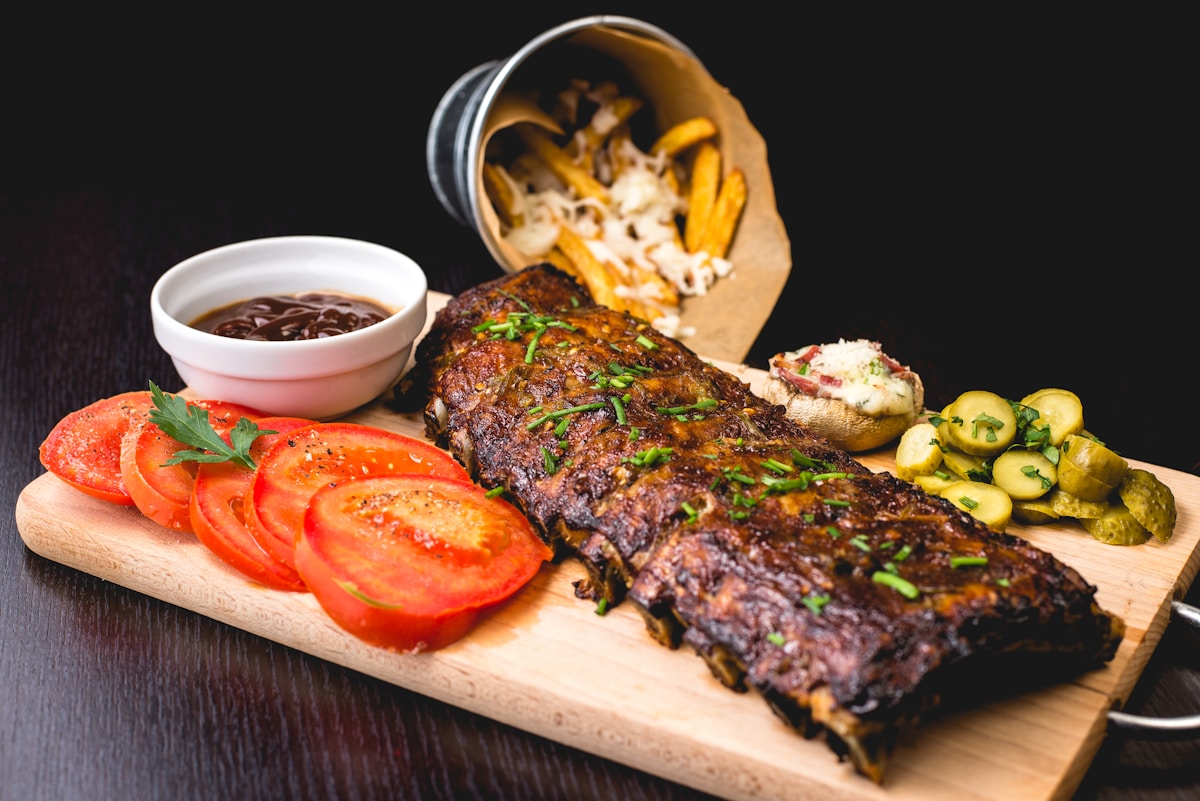 Photo by Brooke Lark on Unsplash
Mediterranean Diet Basics:
Emphasize:
- Extra virgin olive oil
- Fatty fish (salmon, sardines, mackerel) 2-3 times weekly
- Whole grains
- Legumes (beans, lentils, chickpeas)
- Nuts and seeds
- Fresh fruits and vegetables
- Herbs and spices
Limit:
- Red meat (especially processed meats)
- Refined grains and sugars
- Ultraprocessed foods
- Saturated and trans fats
Research shows: A diet low in red and processed meat may reduce ulcerative colitis flares.
4. Get Moving: Exercise Regularly
The Evidence: Engaging in physical activity can help maintain a healthy weight and is a powerhouse when it comes to stress reduction and immune system health. Research shows that if you have an autoimmune disease, staying physically active can help manage symptoms, decrease fatigue, and improve mood.
Why It Works:
- Supports healthy BMI (obesity is associated with IBD risk)
- Reduces systemic inflammation
- Manages stress (a known IBD trigger)
- Strengthens immune function
- Improves gut motility
 Photo by Alexander Redl on Unsplash
What To Do:
Aerobic Exercise:
- Brisk walking (30 minutes, 5 days/week)
- Cycling
- Swimming
- Dancing
- Jogging (if tolerated)
Strength Training:
- Resistance exercises 2-3 times weekly
- Builds muscle mass
- Supports metabolic health
Flexibility and Stress Reduction:
- Yoga
- Tai chi
- Stretching
- Pilates
How Much: Follow exercise guidelines: At least 150 minutes of moderate-intensity activity per week (or 75 minutes of vigorous activity).
5. Maintain a Healthy Weight
The Evidence: High BMI is a significant risk factor for IBD development. Obesity has been associated with the risk of developing IBD, and overweight/obese individuals showed higher inflammatory markers.
Why It Works:
- Adipose (fat) tissue produces pro-inflammatory cytokines
- Obesity increases intestinal permeability (“leaky gut”)
- Maintaining healthy weight reduces chronic inflammation
- Supports balanced immune function
 Photo by Brooke Lark on Unsplash
What To Aim For:
- BMI below 25 (normal weight range: 18.5-24.9)
- Focus on sustainable, gradual weight loss if needed
- Prioritize whole foods over calorie restriction
- Combine diet and exercise for best results
Important: Malnutrition is also a concern with IBD. If you have IBD and are underweight, work with a registered dietitian to safely gain weight while supporting gut health.
6. Don’t Smoke (Or Quit ASAP)
The Evidence: Smoking is one of the most significant modifiable risk factors for IBD, particularly Crohn’s disease. The study identified tobacco use as a major contributor to IBD risk.
Why It’s So Harmful:
- Increases intestinal permeability
- Promotes inflammatory responses
- Alters gut microbiome composition
- Impairs immune function
- Crohn’s disease is 2-4 times more common in smokers
What To Do:
- If you don’t smoke, don’t start
- If you smoke, quitting is the single most important thing you can do
- Seek support: medications, counseling, nicotine replacement therapy
- Even reducing cigarettes helps—but quitting completely is the goal

Interesting Note: While smoking worsens Crohn’s disease, it has a paradoxical protective effect on ulcerative colitis. However, the overall health risks of smoking far outweigh any potential benefit, and smoking is never recommended.
7. Be Strategic About NSAID Use
The Evidence: Nonsteroidal anti-inflammatory drugs like ibuprofen can be damaging to the gut, especially the microbiome. Research shows that NSAIDs cause bleeding, inflammation, and ulceration in the stomach and small intestine.
Why NSAIDs Are Problematic:
- Disrupt intestinal barrier function
- Increase intestinal permeability
- Alter gut microbiome composition
- Can trigger IBD flares in susceptible individuals
What To Do:
- Use NSAIDs only when truly necessary
- Choose acetaminophen (Tylenol) when appropriate instead
- Take the lowest effective dose for the shortest time
- Always take with food
- Talk to your doctor about alternatives for chronic pain
Note: If you already have IBD, NSAIDs can trigger flares and should generally be avoided.
What About Stress? The Missing Factor
One limitation of the study: Stress, which has a known link to IBD and irritable bowel syndrome (IBS), was not included as one of the lifestyle factors.
However, we know from other research that chronic stress:
- Alters gut microbiome composition
- Increases intestinal permeability
- Triggers inflammatory responses
- Can precipitate IBD flares
 Photo by Jared Rice on Unsplash
Stress Management Strategies
Proven Techniques:
- Meditation and mindfulness (even 10 minutes daily helps)
- Deep breathing exercises
- Yoga and tai chi
- Regular physical activity
- Adequate sleep (7-9 hours nightly)
- Social connection and support
- Professional counseling or therapy when needed
- Time in nature
For more on stress management, read our article on 5 nagging thoughts that keep holding us back.
The Gut Microbiome Connection
Understanding why these lifestyle factors work requires understanding the gut microbiome—the trillions of bacteria living in your digestive tract.
How Your Microbiome Affects IBD Risk
A healthy, diverse gut microbiome:
- Maintains intestinal barrier integrity
- Regulates immune function
- Produces anti-inflammatory compounds (short-chain fatty acids)
- Prevents pathogenic bacterial overgrowth
- Supports nutrient absorption
A compromised microbiome:
- Increases intestinal permeability (“leaky gut”)
- Triggers inappropriate immune responses
- Promotes chronic inflammation
- May contribute to IBD pathogenesis
 Photo by Shawn Ang on Unsplash
The Western Diet Effect
Research confirms that the Western diet (high in fat and protein from animal sources, low in fruits and vegetables) alters bacterial proliferation and promotes inflammatory gut bacteria.
Specifically, a high milk-fat diet:
- Altered environments of bacterial proliferation
- Promoted increase of sulfite-reducing pathobiont (Bilophila wadsworthia)
- Increased inflammatory responses
Components associated with increased IBD risk:
- High consumption of sucrose (added sugar)
- Animal fat and cholesterol
- Linoleic acid
- Processed and red meats
- Refined carbohydrates
Components with protective effects:
- Breastfeeding (especially >12 months)
- High intake of omega-3 fatty acids
- Fruits and vegetables
- Fiber from whole grains
- Fermented foods
Special Diets for IBD: What Actually Works?
If you already have IBD, you might be wondering about specific therapeutic diets. While prevention focuses on general healthy eating, managing existing IBD may require more tailored approaches.
Evidence-Based Therapeutic Diets
1. IBD Anti-Inflammatory Diet (IBD-AID)
Developed at UMass Medical School, this diet:
- Emphasizes soluble fiber (promotes beneficial short-chain fatty acids)
- Avoids lactose, wheat, refined sugar, and corn
- Includes pre- and probiotic foods
- Uses phases based on disease activity
- Has shown promise in clinical case studies
2. Specific Carbohydrate Diet (SCD)
Based on the theory that complex carbohydrates feed inflammatory bacteria:
- Eliminates grains, lactose, and refined sugars
- Allows fruits, vegetables, meats, nuts, and certain dairy
- Studies show 66% symptom resolution after 9.9 months adherence
- May improve inflammatory markers (ESR, CRP)
3. Low-FODMAP Diet
Reduces fermentable carbohydrates that can trigger symptoms:
- Helpful for symptom management in quiescent IBD
- Reduces bloating, gas, and abdominal pain
- Should be followed short-term with dietitian guidance
- Not necessarily preventive but helpful for active disease
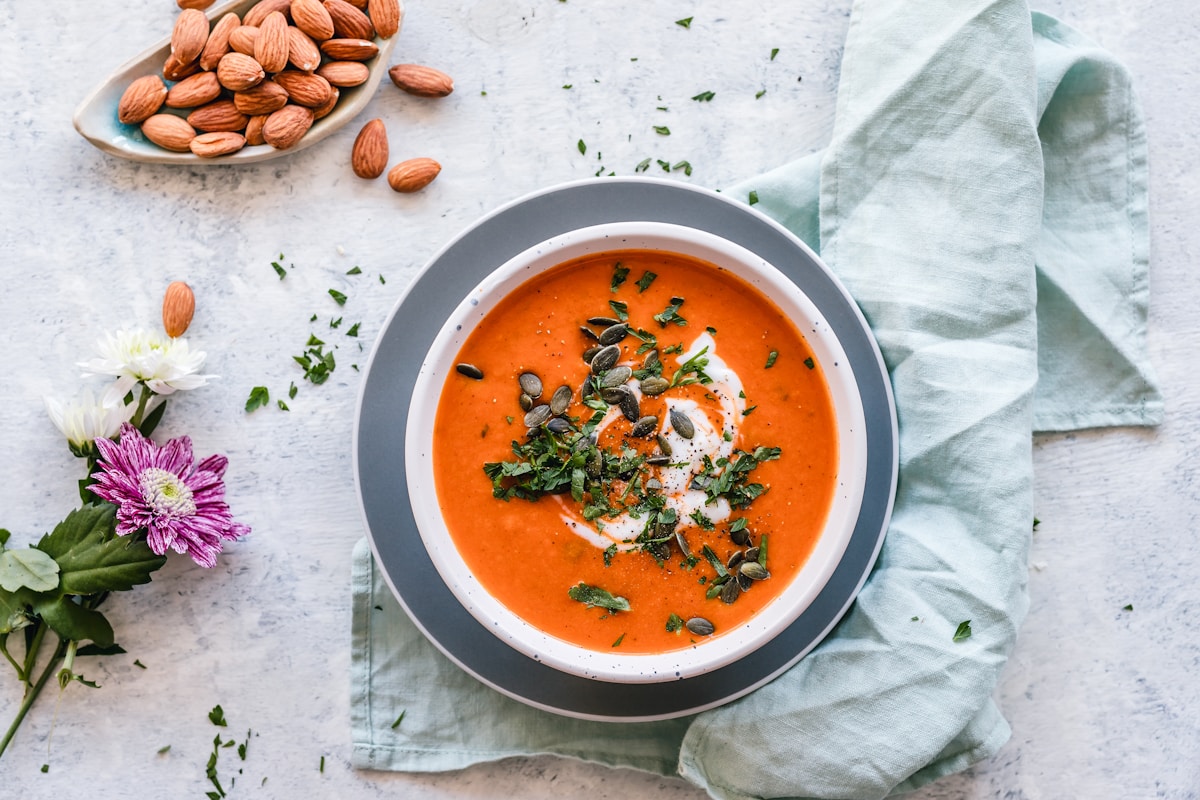 Photo by Katie Smith on Unsplash
4. Mediterranean Diet
The AGA’s top recommendation for IBD patients:
- No diet has consistently been found to decrease flare rates in adults with IBD
- BUT the Mediterranean diet supports overall health and general well-being
- May require texture accommodations for strictures/obstructions
- Most sustainable long-term approach
What About Enteral Nutrition?
Enteral nutrition (liquid formula nutrition) is the only dietary intervention with strong evidence for inducing remission in Crohn’s disease, especially in pediatric patients.
Benefits:
- Corrects malnutrition
- Induces remission
- Effective pre-surgery preparation
- Provides complete nutrition
Limitations:
- Difficult to sustain long-term
- Not as palatable as regular food
- Typically used as adjunct therapy
Important Limitations and Considerations
While the 61% prevention statistic is encouraging, we need to acknowledge some important limitations:
Study Limitations
1. Age of Diagnosis The study’s average age of IBD diagnosis was older than when IBD typically manifests. Therefore, lifestyle modifications may not be as effective in preventing earlier onset cases where genetics may be more heavily involved.
2. Causality vs. Association The study shows association but not definitive causality. More randomized controlled trials are needed to confirm findings.
3. Missing Factors Stress, sleep quality, environmental toxins, and other factors weren’t included but may play roles.
4. Individual Variation Not everyone responds the same way to dietary and lifestyle interventions. Genetics still matter.
When Genetics Play a Larger Role
High-risk populations may need different approaches:
- Family history of IBD
- Genetic markers (mutations in NOD2, ATG16L1, IRGM genes)
- Early childhood onset
- Certain ethnic backgrounds
For these individuals:
- Lifestyle modifications are still important
- May need more aggressive monitoring
- Earlier intervention if symptoms develop
- Genetic counseling may be appropriate
 Photo by National Cancer Institute on Unsplash
Your Action Plan: Starting Today
Preventing IBD doesn’t require perfection—it requires consistency and sustainable changes. Here’s how to start:
Week 1: Baseline Assessment
Day 1-2: Track your current habits
- Food diary: What are you actually eating?
- Activity log: How much do you move?
- Sleep journal: Are you getting 7-9 hours?
Day 3-4: Identify low-hanging fruit
- Where are the biggest gaps?
- What’s easiest to change first?
- What support do you need?
Day 5-7: Set specific goals
- Start with 1-2 changes maximum
- Make them measurable
- Plan for obstacles
Month 1: Build Foundation
Dietary Changes:
- Add 1 additional serving of vegetables daily
- Replace one processed snack with fruit
- Try one new fiber-rich whole grain
- Reduce red meat to 1-2x per week maximum
Physical Activity:
- Walk 10 minutes after dinner
- Take stairs instead of elevator
- Park farther away
- Stand while on phone calls
Stress Management:
- 5 minutes morning meditation
- Evening gratitude journal
- One relaxing activity weekly
Months 2-3: Expand Habits
Dietary Progress:
- Aim for 5+ servings fruits/vegetables daily
- Try Mediterranean-style eating 3-4 days/week
- Experiment with fermented foods (yogurt, kefir, sauerkraut)
- Track fiber intake (goal: 25-30g daily)
Exercise Goals:
- 30 minutes moderate activity 5 days/week
- Add 2 strength training sessions weekly
- Try a new activity (yoga, swimming, cycling)
Lifestyle Optimization:
- Consistent sleep schedule
- Limit NSAIDs
- Reduce alcohol
- Manage stress proactively
Long-Term: Sustainable Lifestyle
The goal isn’t perfection—it’s progress:
- 80/20 rule: Healthy choices 80% of the time
- Focus on addition, not restriction
- Find activities you enjoy
- Build community around health
- Regular check-ins with healthcare providers
 Photo by Brooke Lark on Unsplash
When To See a Doctor
While prevention is powerful, some symptoms require immediate medical evaluation:
Red Flag Symptoms
🚨 Seek medical attention if you experience:
- Persistent diarrhea lasting more than 2 weeks
- Blood in stool
- Unexplained weight loss
- Severe abdominal pain
- Fever with digestive symptoms
- Anemia (fatigue, pale skin, shortness of breath)
- Family history of IBD with new digestive symptoms
Don’t wait: Early diagnosis and treatment of IBD significantly improves outcomes and quality of life.
Working with Healthcare Professionals
Build your team:
- Gastroenterologist for IBD diagnosis and medical management
- Registered Dietitian specializing in IBD for personalized nutrition plans
- Primary care physician for overall health monitoring
- Mental health professional for stress management and coping
The Bottom Line: Prevention Is In Your Hands
While we can’t control genetics, the research is clear: lifestyle and dietary factors can prevent up to 61% of Crohn’s disease cases and 42% of ulcerative colitis cases.
This isn’t about achieving perfection or following rigid diet rules. It’s about making consistent, sustainable choices that support your gut health:
✅ Eat more plants (fruits, vegetables, whole grains, legumes)
✅ Get adequate fiber (aim for 30g daily)
✅ Move your body regularly (150 minutes weekly)
✅ Maintain healthy weight (BMI <25)
✅ Don’t smoke (or quit as soon as possible)
✅ Use NSAIDs sparingly (only when necessary)
✅ Manage stress proactively (meditation, yoga, therapy)
✅ Follow a Mediterranean-style eating pattern
The time to start is now—not when symptoms appear, not when you get a diagnosis, but today. Your gut (and your future self) will thank you.
Frequently Asked Questions
Can diet cure IBD if I already have it?
No specific diet can cure IBD. However, dietary modifications can help manage symptoms, maintain remission, and improve quality of life. Work with a registered dietitian specializing in IBD for personalized guidance.
Is it too late to prevent IBD if I’m already an adult?
No! While the study’s participants were diagnosed at older ages, adopting healthy lifestyle factors at any age can reduce risk and improve overall health. It’s never too late to start.
Do I need to go vegan to prevent IBD?
No. The Mediterranean diet (which includes fish and some dairy) is the evidence-based recommendation. You don’t need to eliminate all animal products—just prioritize plants and choose high-quality proteins.
What if I have a family history of IBD?
You’re at higher risk, but lifestyle modifications are even more important. Follow the prevention strategies closely, and discuss monitoring options with your gastroenterologist.
Can stress alone cause IBD?
While stress doesn’t directly cause IBD, it can trigger flares in susceptible individuals and may contribute to disease development in combination with other factors. Stress management is an important prevention strategy.
Are probiotics helpful for preventing IBD?
The evidence is mixed. Probiotics may support gut health, but specific strains and dosages matter. Eating fermented foods (yogurt, kefir, sauerkraut) is a good general strategy. Consult a healthcare provider before taking probiotic supplements.
Additional Resources
🔗 Learn more about IBD and gut health:
- Crohn’s & Colitis Foundation – Patient education and support
- American Gastroenterological Association – Clinical practice guidelines
- Institute for Functional Medicine – IBD Resources
🔗 Related articles on digestive health:
- 7 Ways to Prevent and Manage IBS
- RD’s Favorite Anti-Inflammatory Canned Food
- 5 Antioxidants That Fight Free Radicals
📞 Find Professional Support:
- Find a Gastroenterologist: American College of Gastroenterology
- Find a Registered Dietitian: Academy of Nutrition and Dietetics
What lifestyle changes are you implementing to protect your gut health? Share your journey in the comments below!
Disclaimer: This article is for informational purposes only and does not constitute medical advice. Always consult with qualified healthcare professionals before making significant dietary or lifestyle changes, especially if you have a family history of IBD or existing digestive symptoms. Individual responses to diet and lifestyle modifications vary based on genetics, health status, and other factors.
[ad_2]